BT-01
1:1 pre-assembly in the workshop
Every module is assembled and fully disassembled in the factory before it is packed. The site crew receives pieces that have already demonstrated that they fit each other.
We do not test the project in parts and then repeat the test on site. If something is going to fail, we want it to fail inside our workshop, where correcting it is cheap.
These are not marketing promises. Each one has a document, a recording or a physical label behind it, and you can demand it before you sign.
Every module is assembled and fully disassembled in the factory before it is packed. The site crew receives pieces that have already demonstrated that they fit each other.
A cutting list with dimensions, material section and finish note, at a tolerance of ±1 mm. Signed with your architect and your site supervision before we manufacture.
Project, room, part and net size printed on each panel. From the cutting list to the package and from the package to the room, with no gaps in the chain.
A vertical recording of each module during the test, and engineering sessions with your team while production runs. If something does not fit on site, it is solved by looking at the same video.
Not a cleaned-up shed with a pilot put on for the visit. Air guns, laser levels, marker lines on the board and operators who have been doing the same thing for twenty years.
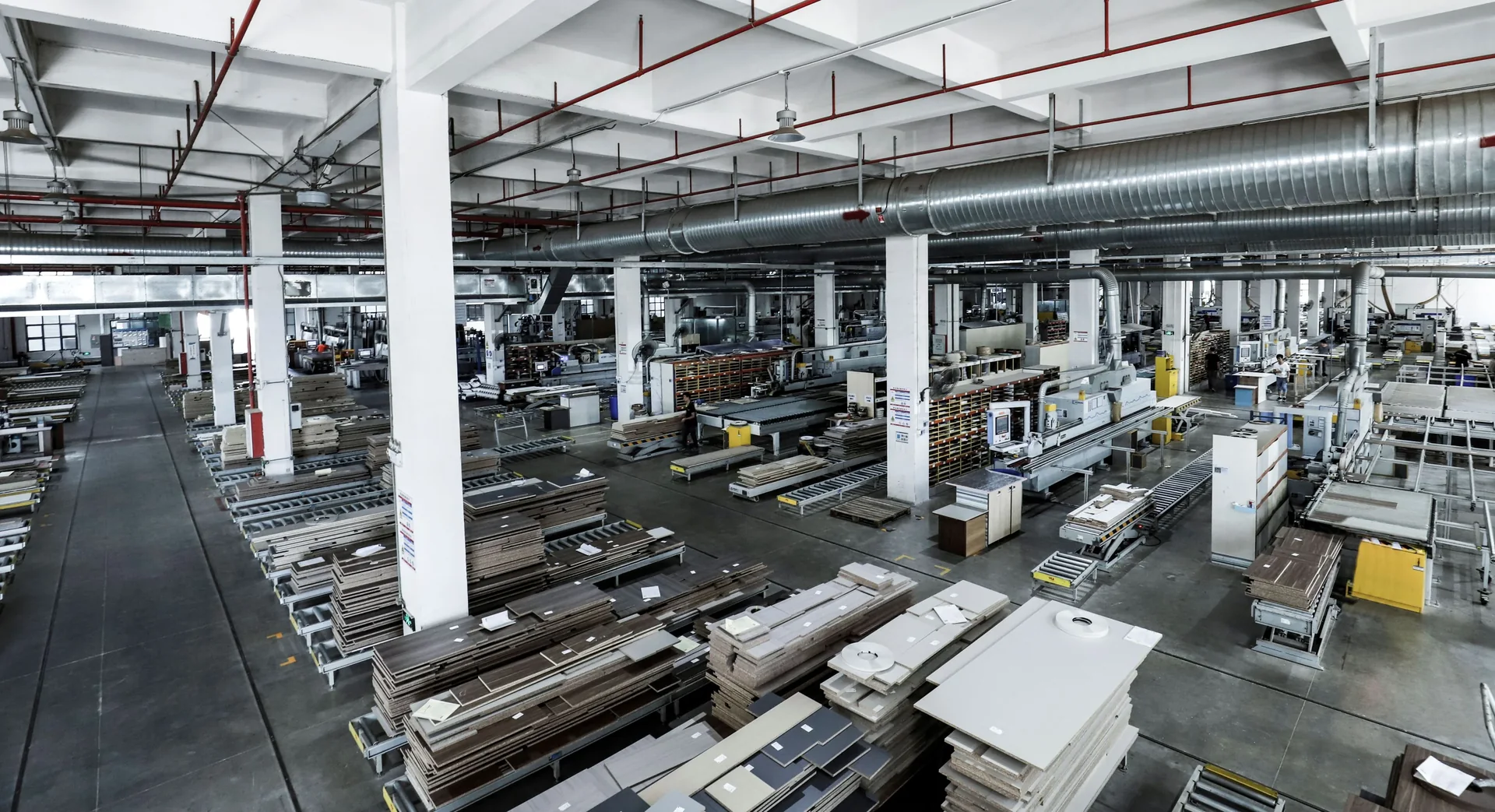
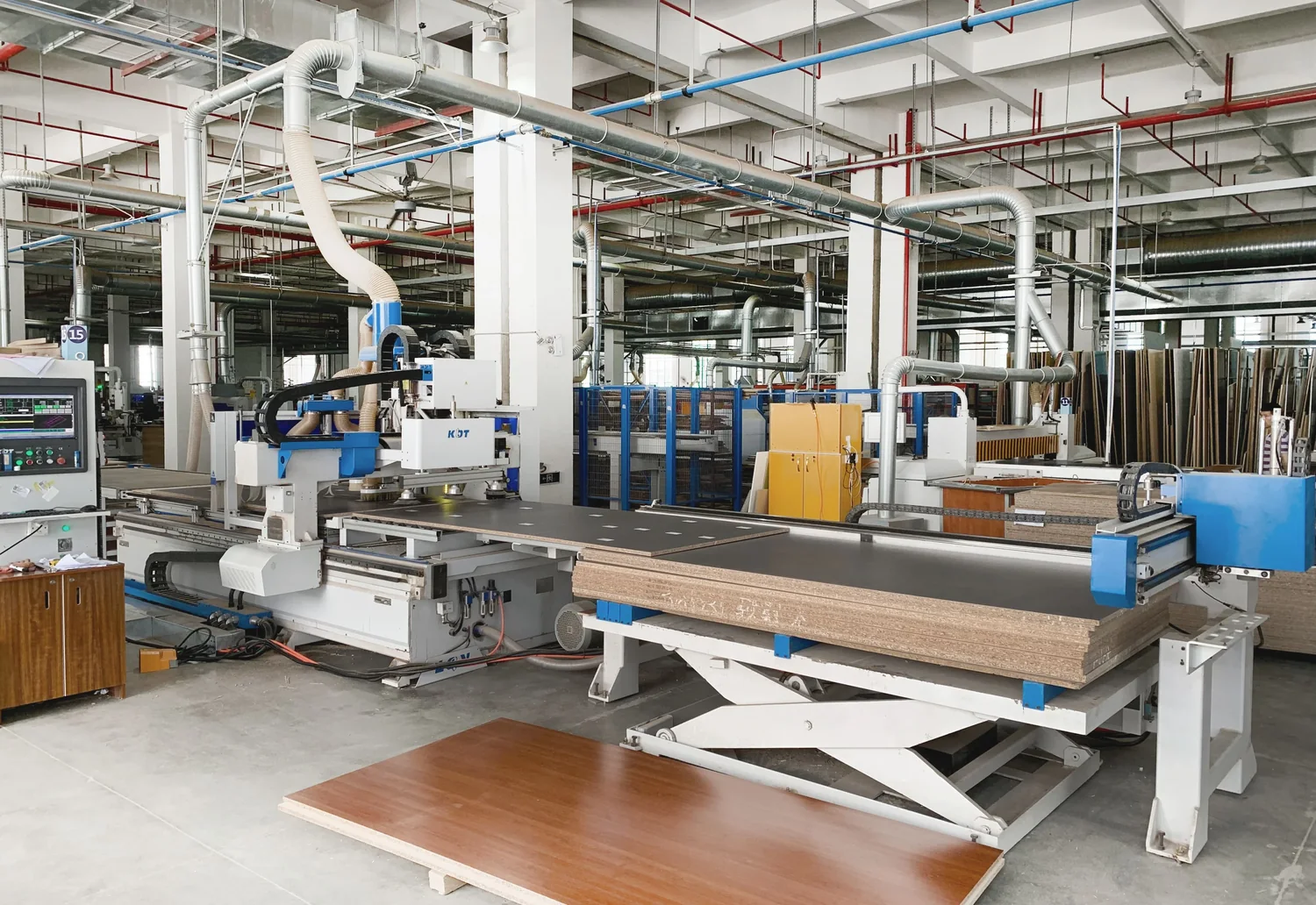
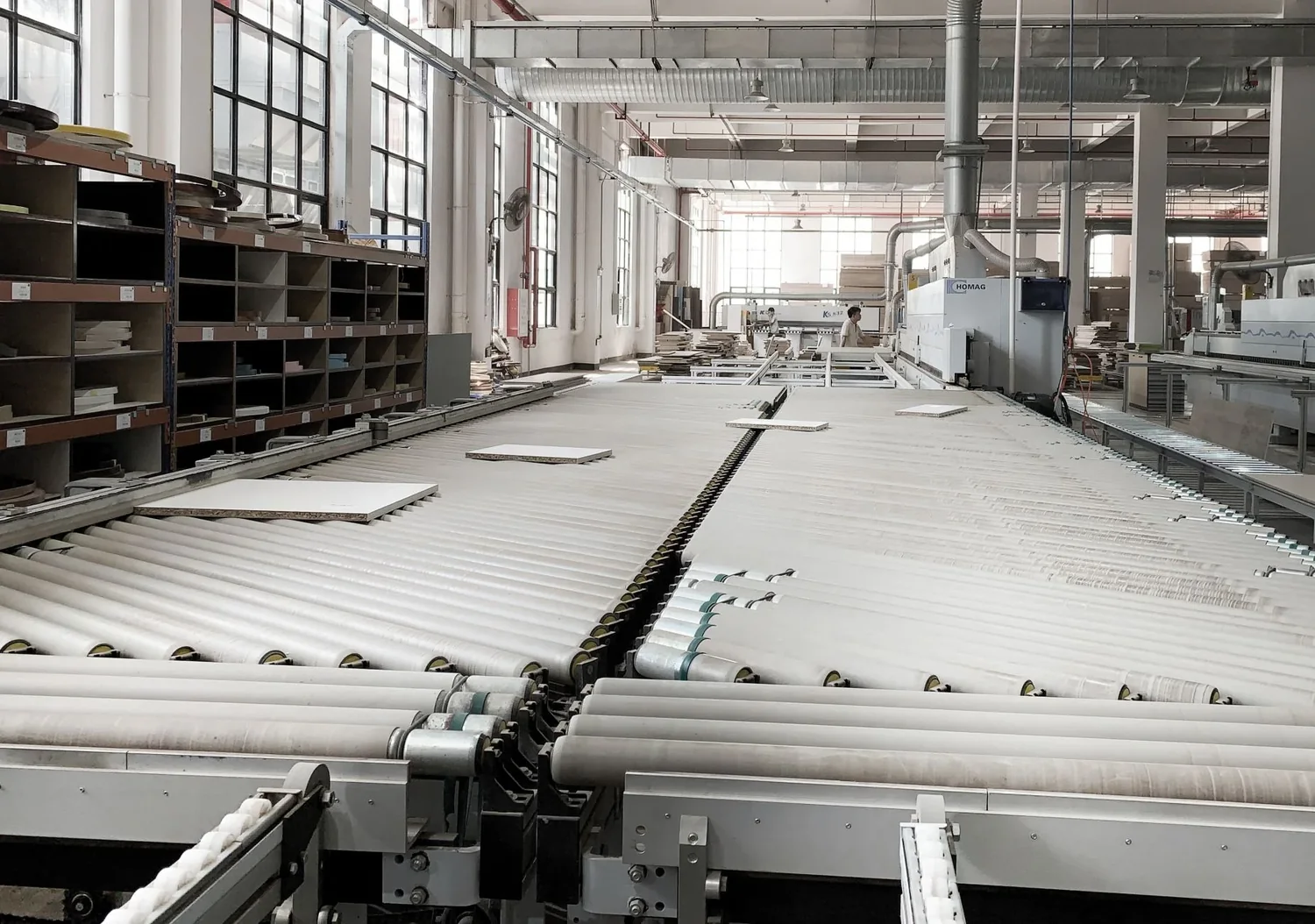
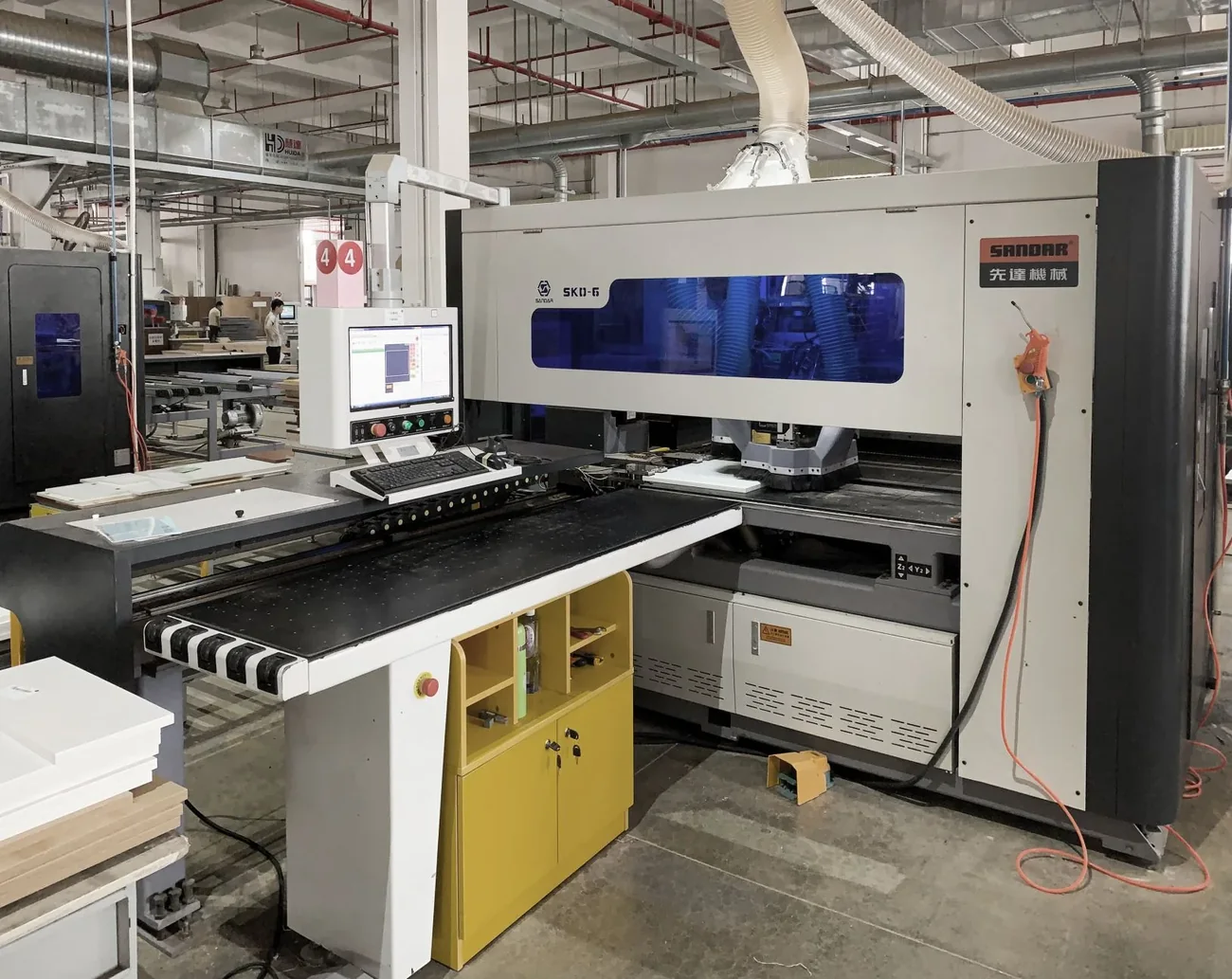
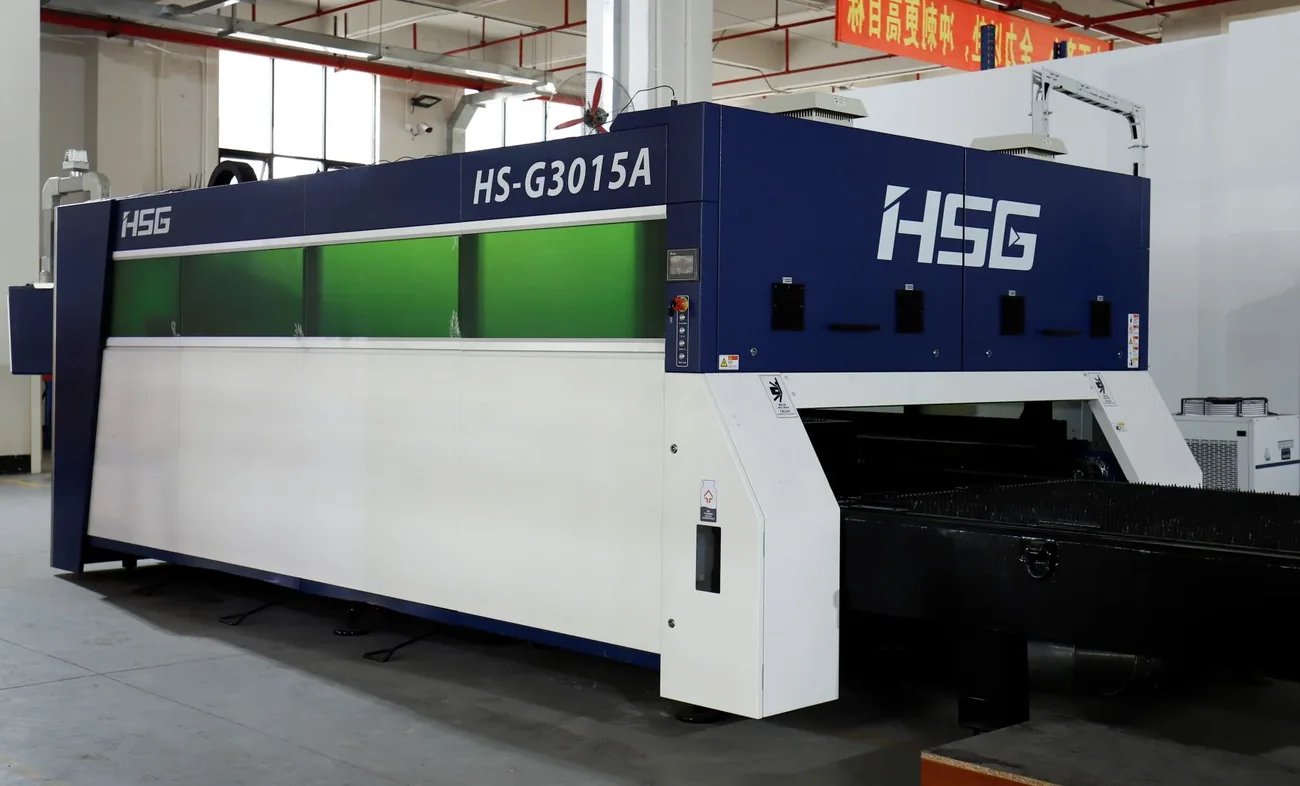
Imported equipment in the workshop
This is how every part arrives labelled. The same label appears in the digital production record and in the package list that travels with the shipment.
Traceability
A-07-03
Verification video per module
A vertical recording during the 1:1 test. The full assembly is visible, the check is audible, and it is archived against the part number. We send it with the delivery documentation, and it is also the support for the final 50 %.
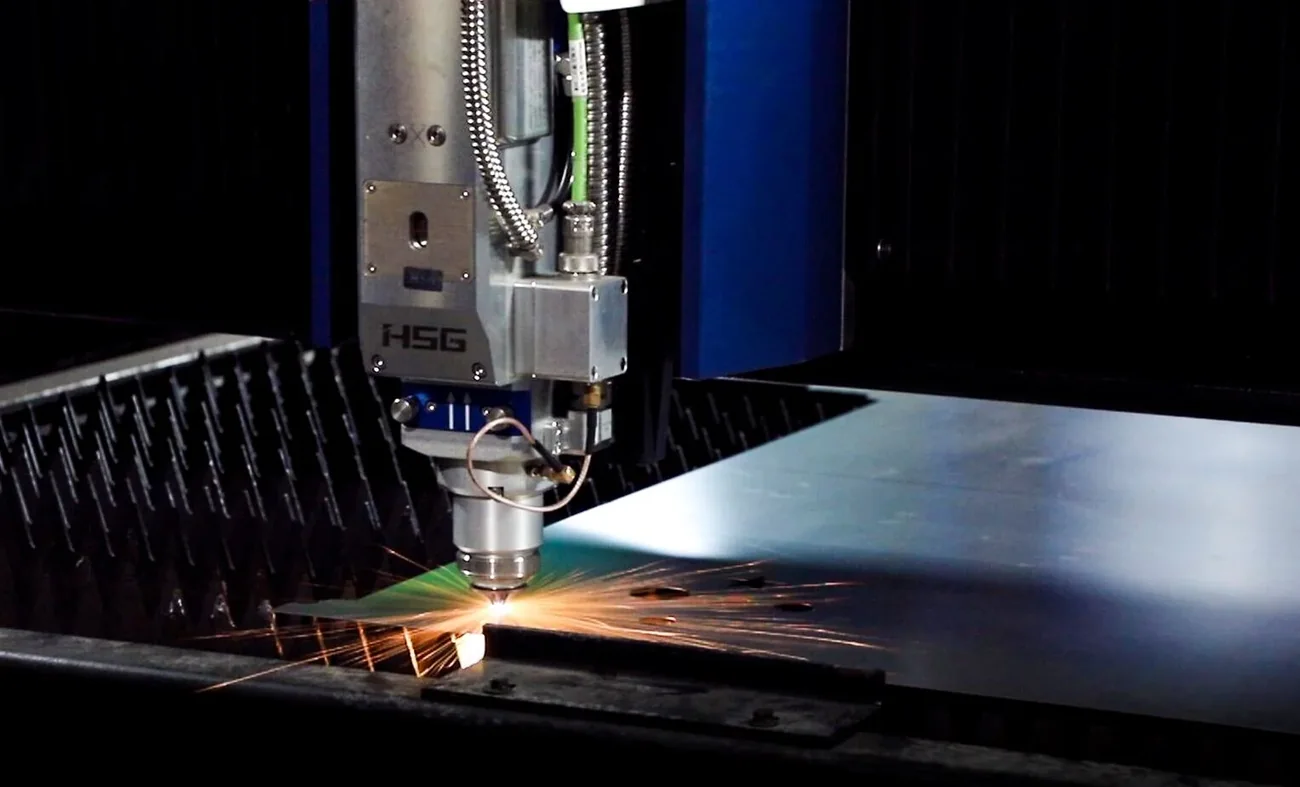
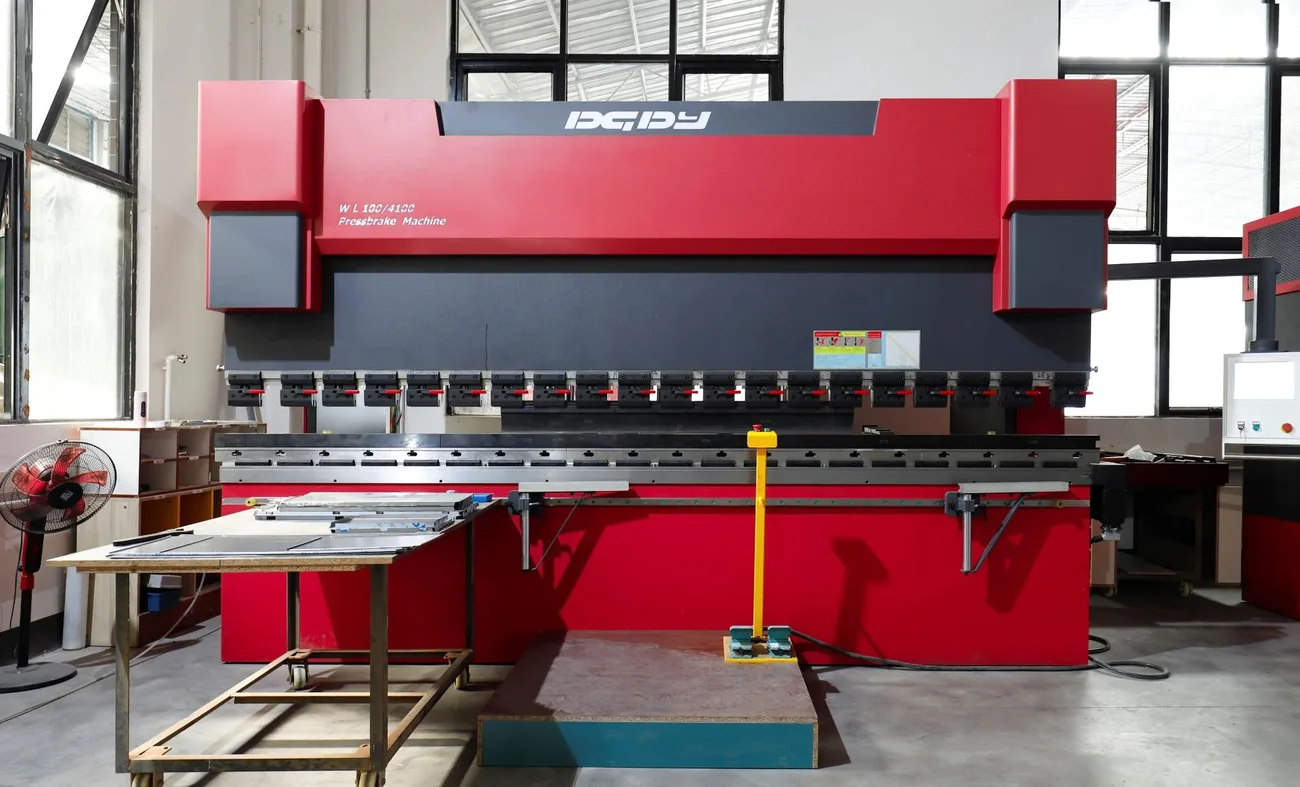
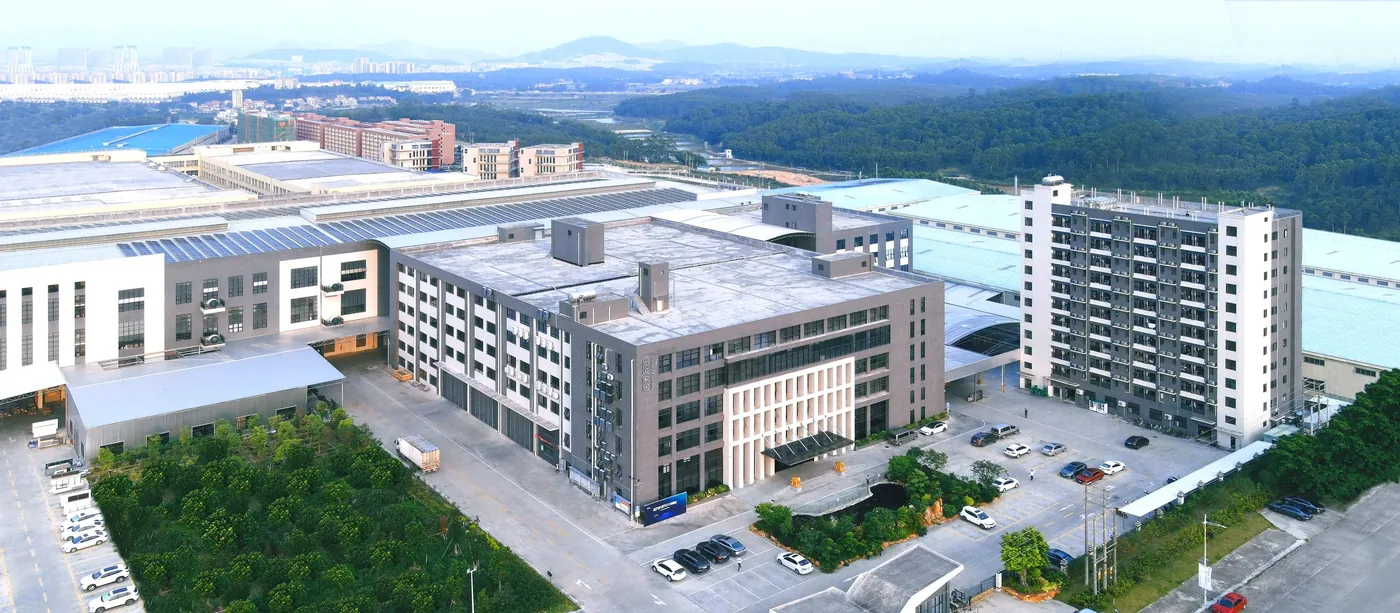
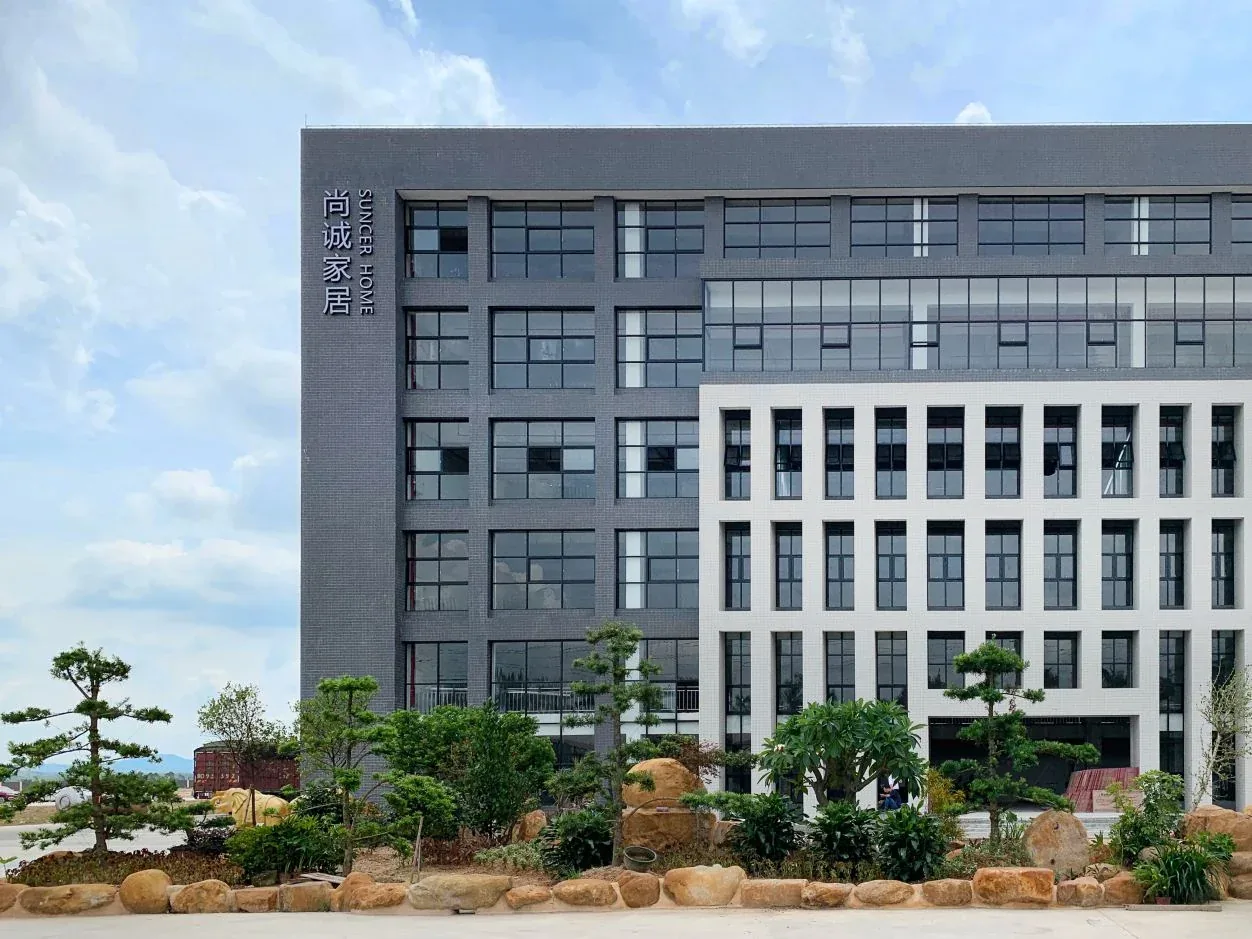
None of these photographs is a render. This is the Heshan plant, the production workshop and the showroom where pieces are assembled before packing.
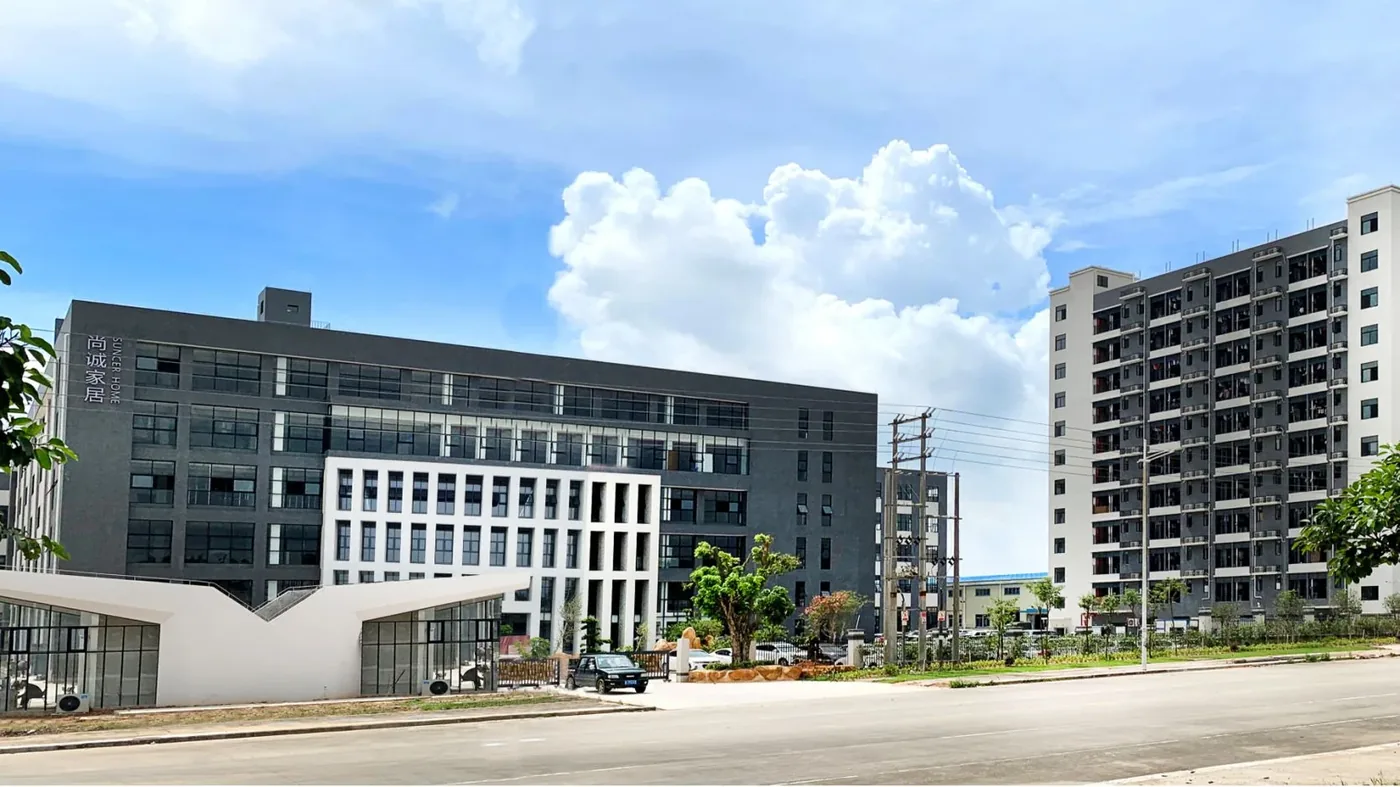
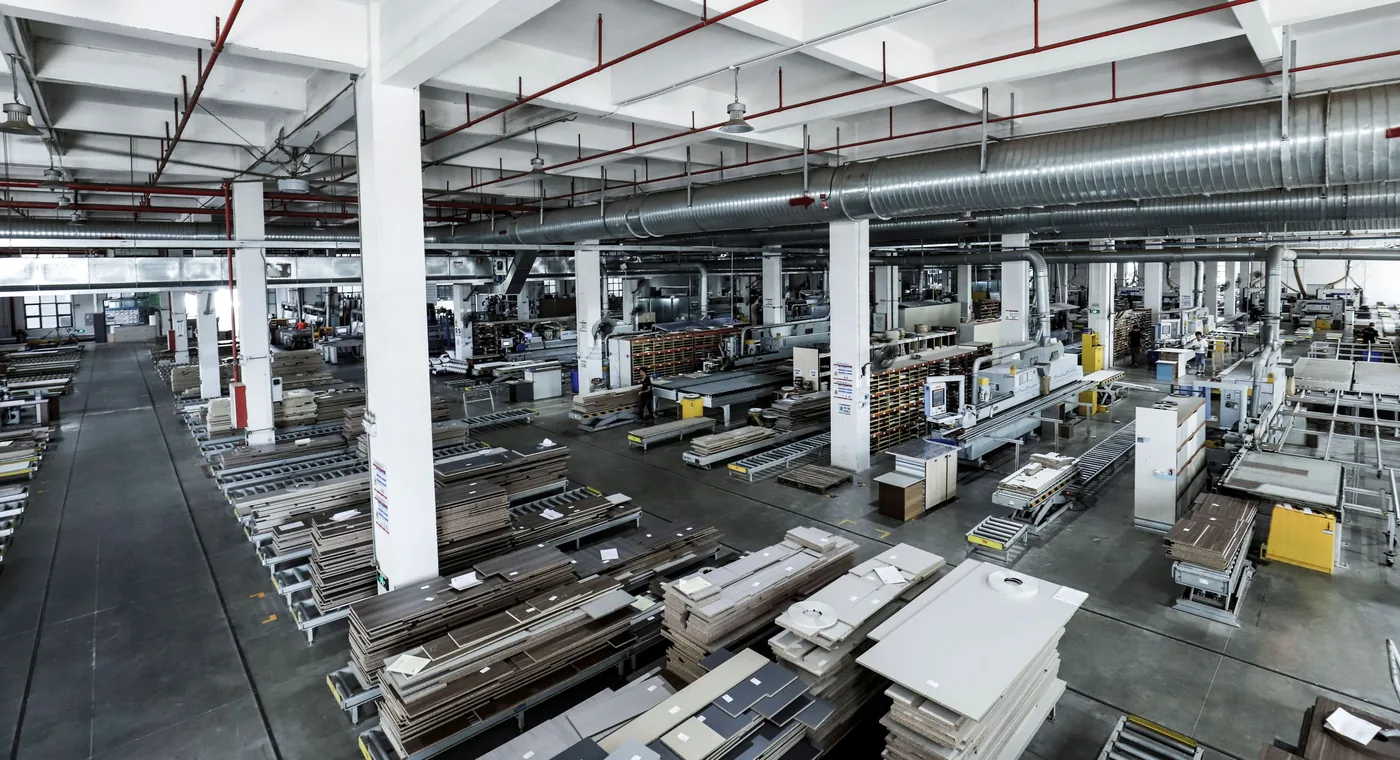
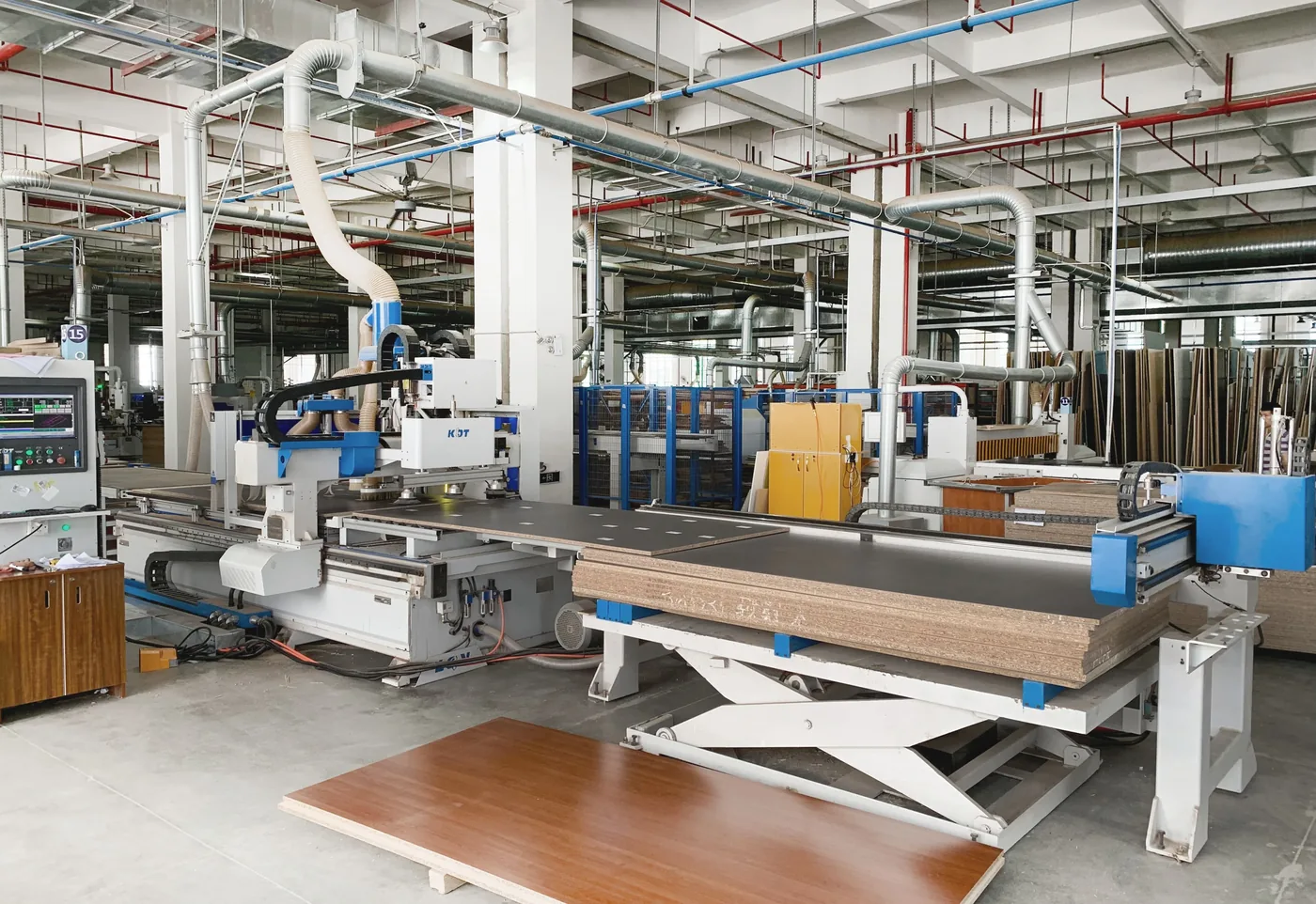
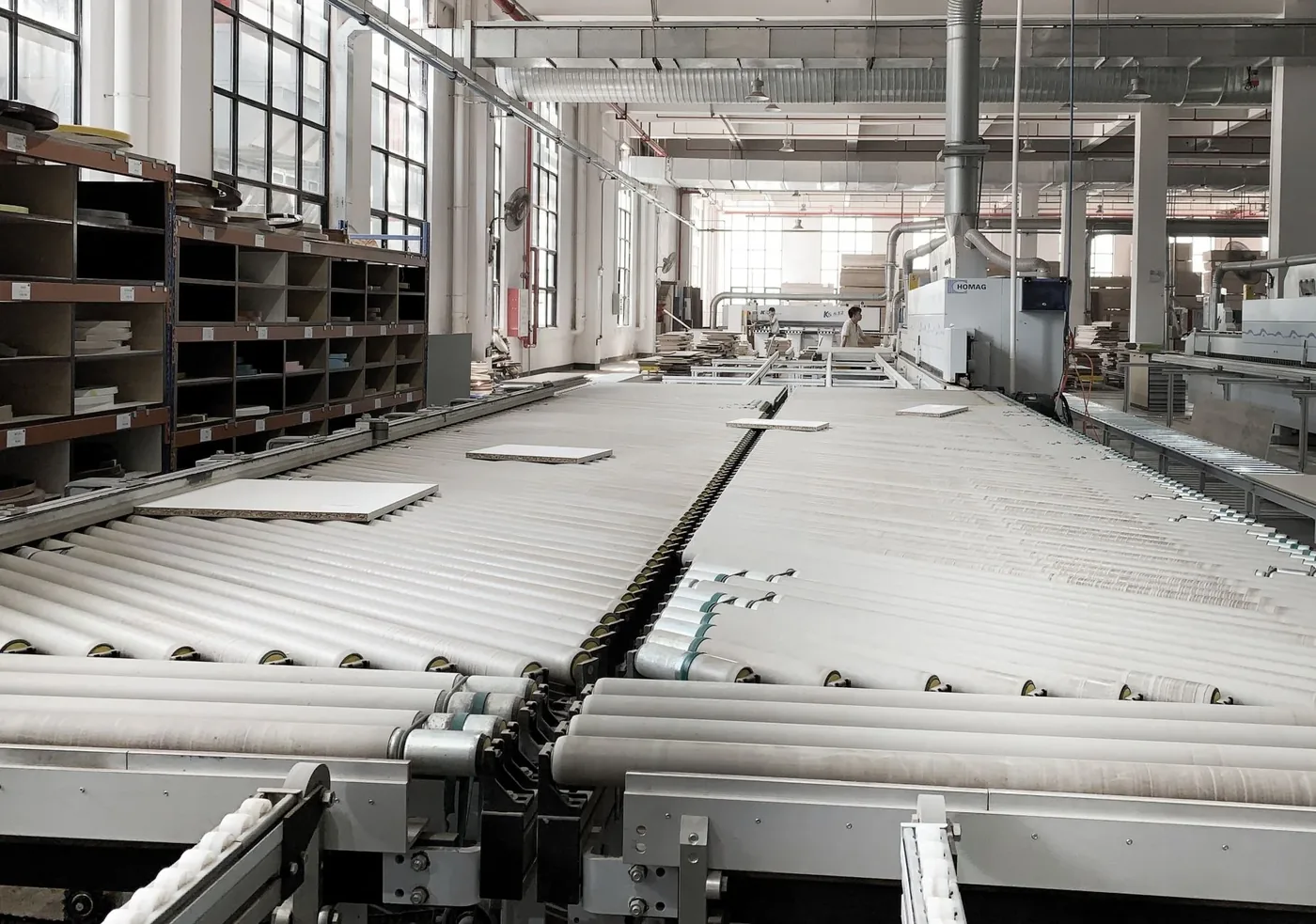
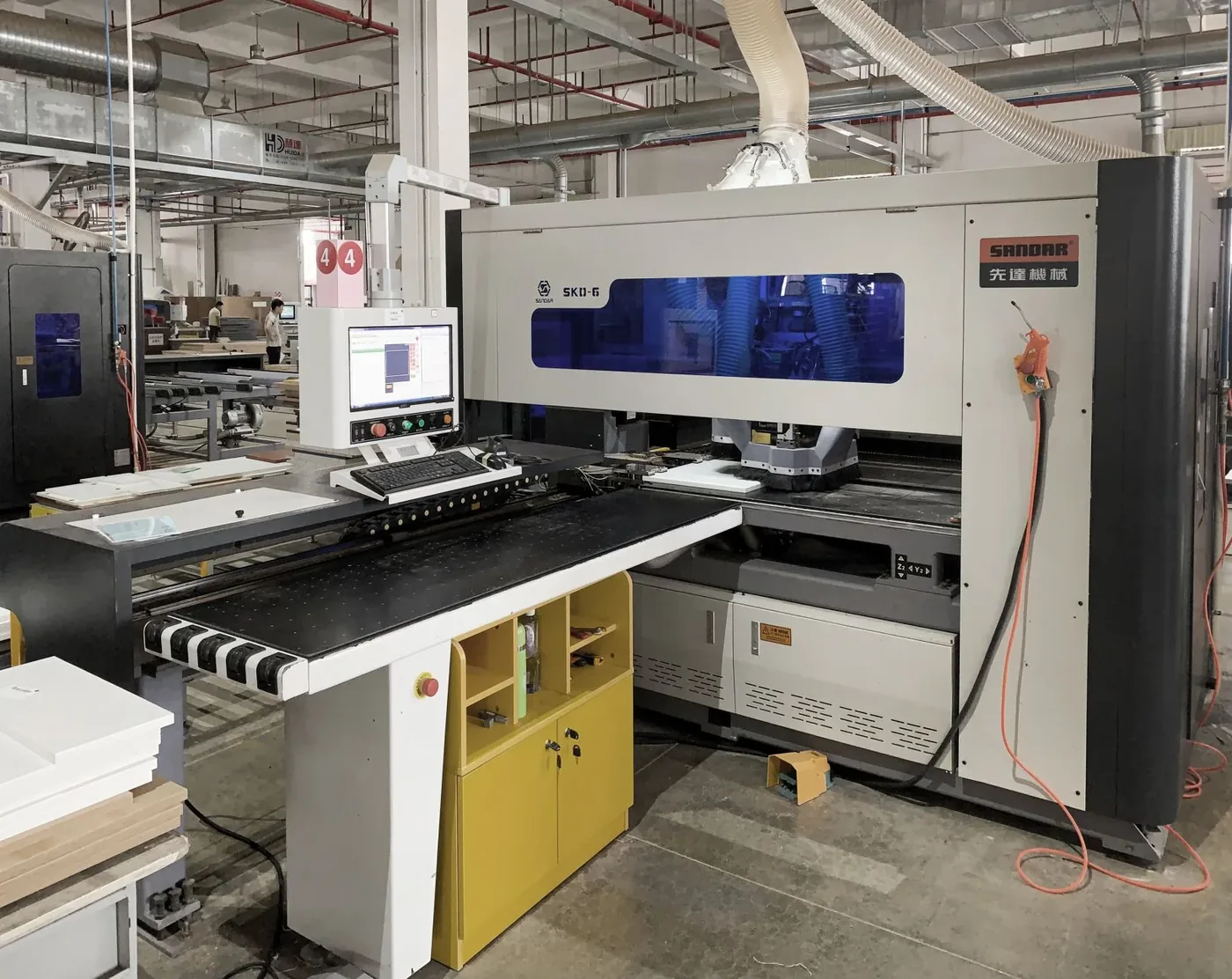
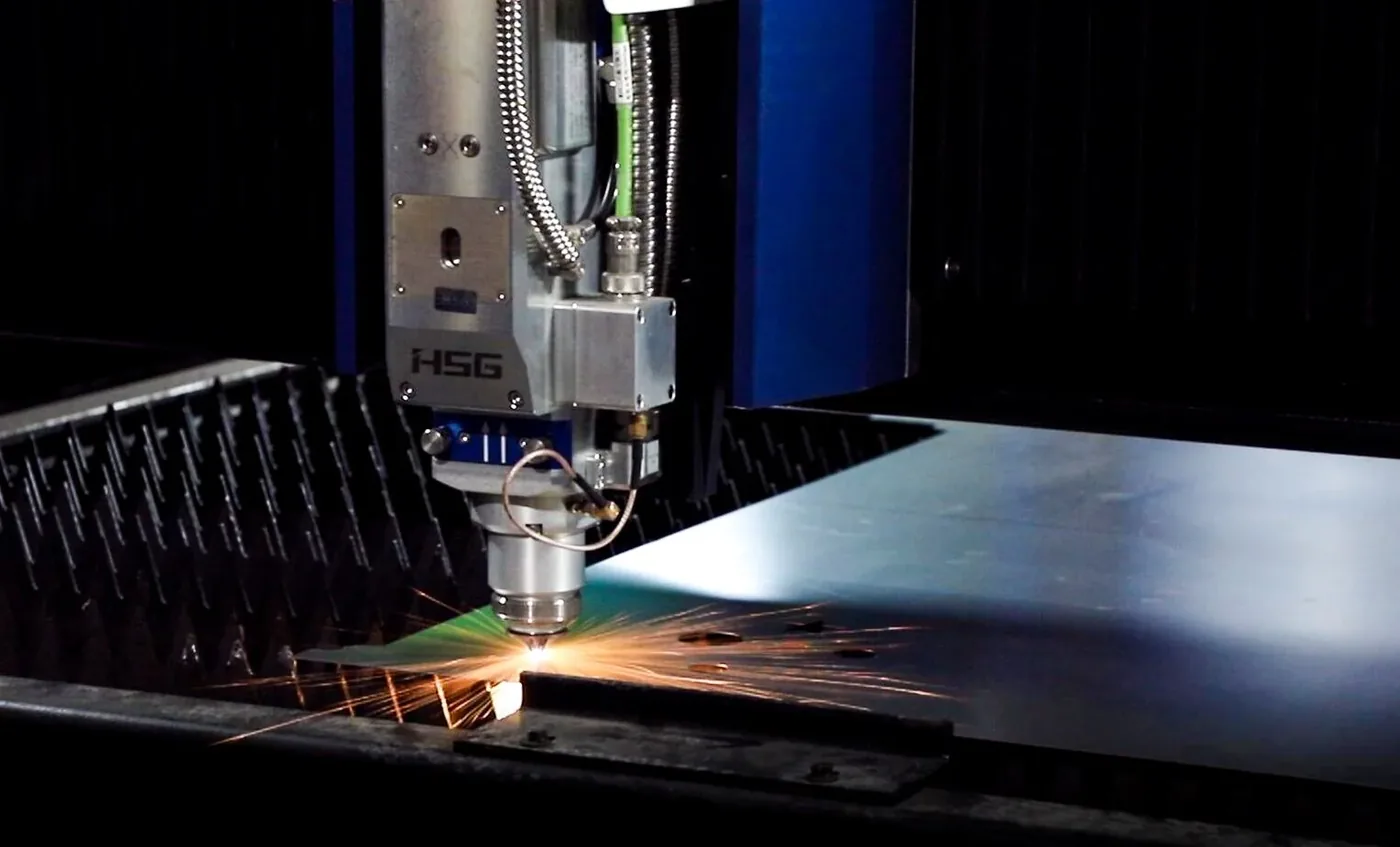
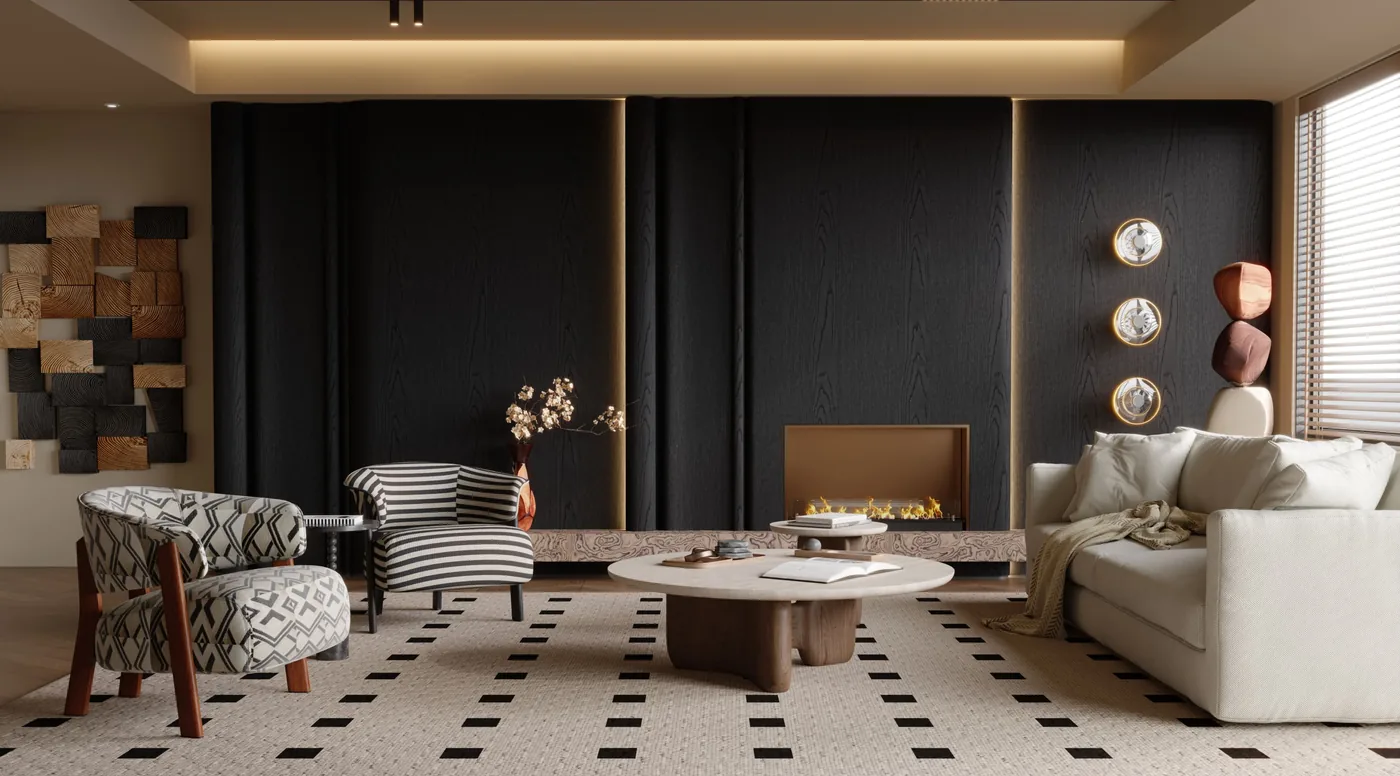
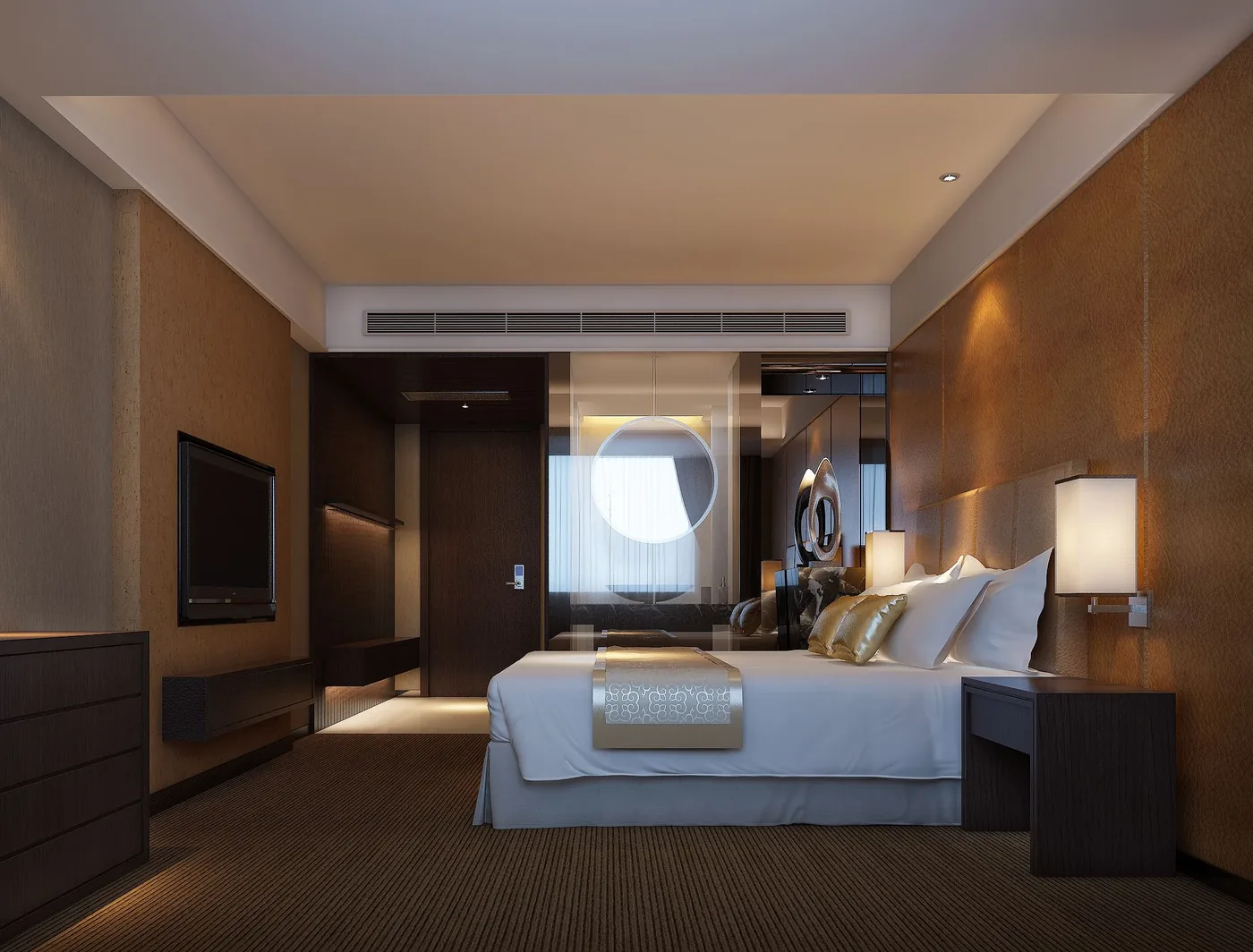
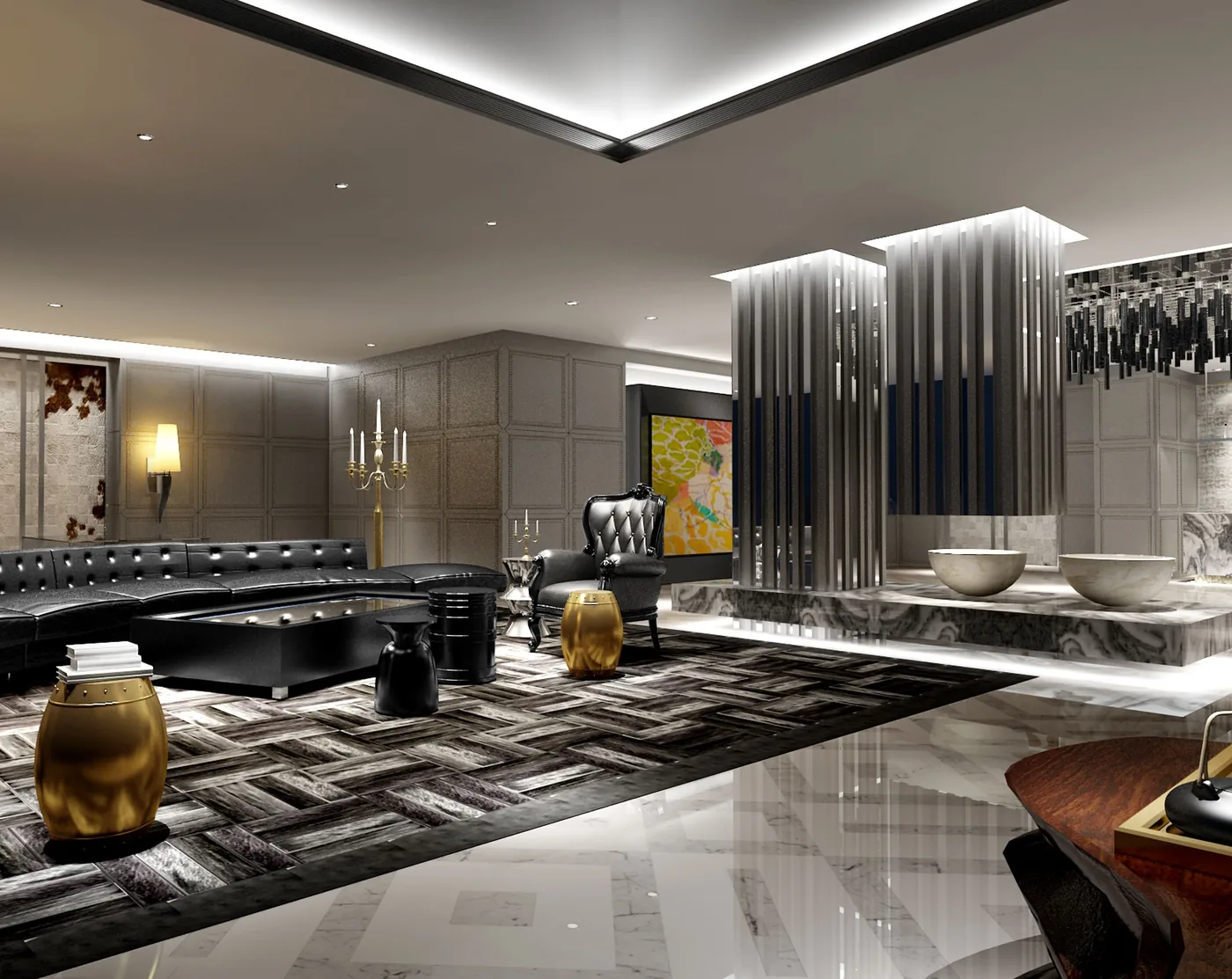
The plant was planned by Schuler (Germany) and runs on imported equipment: HOMAG (Germany), Schelling (Austria), Biesse (Italy). You can ask for the make and model of every machine before you sign.
Complete inspection, from the panel through to the hardware
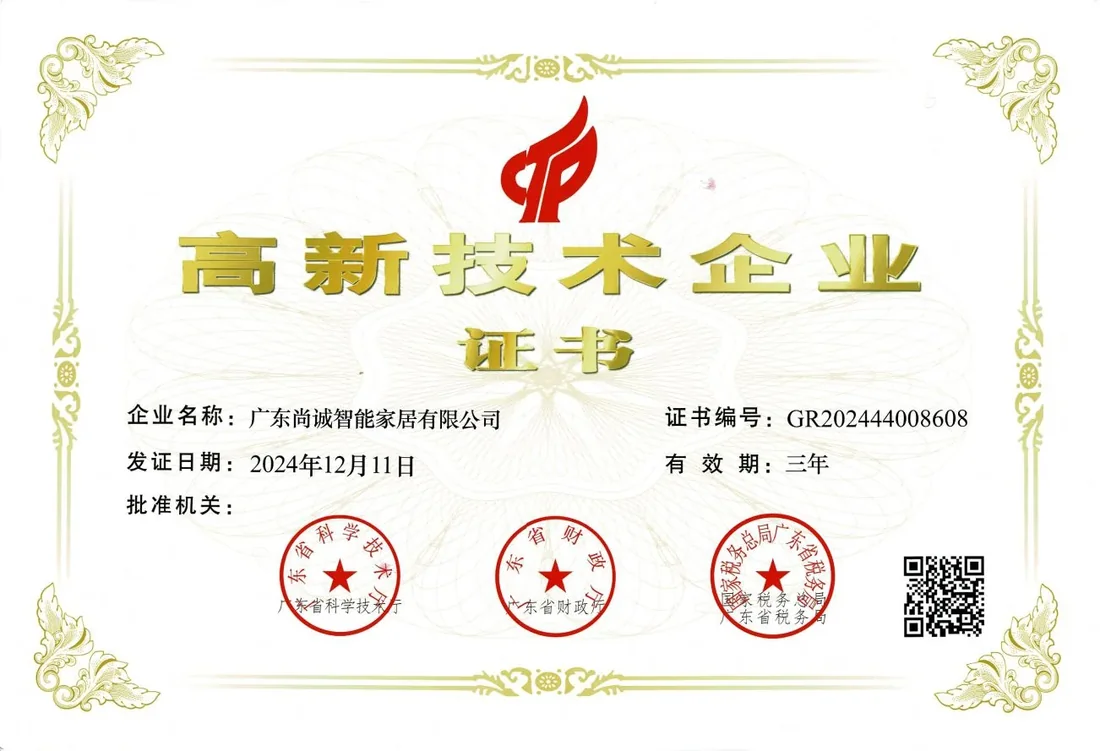
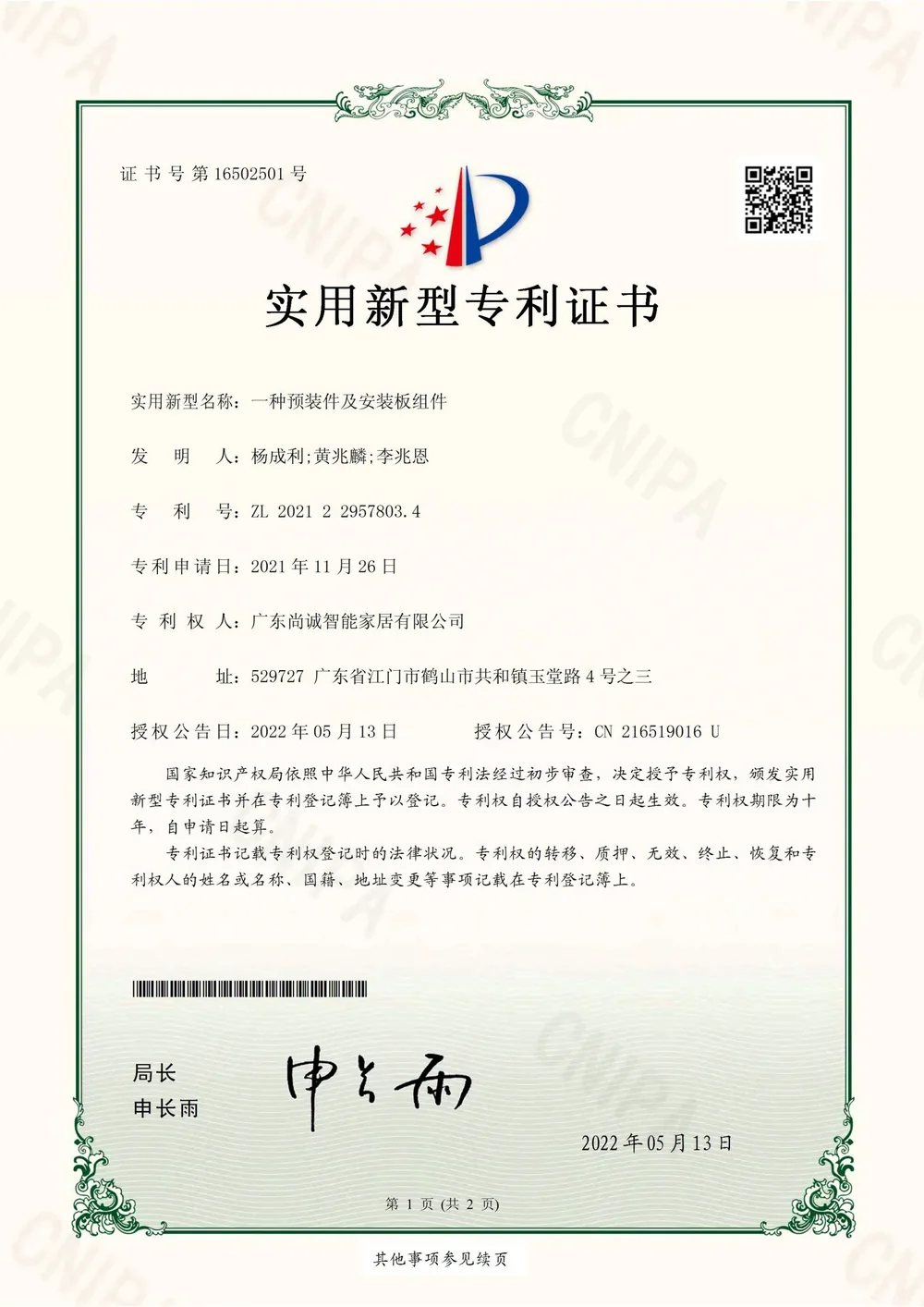
Identify the client’s quality requirements and set the policies, targets and plans that follow from them.
Strict adherence to the standard across design, production trials, testing and team training.
Verify actual performance against the standards that were expected.
Adjust product and process using inspection feedback, and standardise what worked.
The catalogue documents the quality system we work to: four stages and a laboratory with five tests. The phases below are the process that runs inside it. We publish the framework so that your own inspector can work from the same document.
Framework published
You receive it with the offer, before you sign.
Inspector welcome
SGS, BV or the one you appoint, at no cost.
Filmed test
The module video supports the final payment.
4 quality stages and 5 laboratory tests — the documented framework, without a checklist of points we cannot produce on request
A perfect module that arrives dented or damp is a lost module, and the loss is yours. That is why the packing is not decided by whoever is on shift at the last minute.
40-foot container
Up to 22 rooms per container
ISPM 15 phytosanitary
Certificate required on import
Desiccant
Prevents condensation on two-climate voyages
Pallet photograph
Taken before loading, per package
Shipping ports
Nansha (Guangzhou) · Yantian (Shenzhen). We ship FOB by default; we also quote CIF and DDP with a forwarder at destination.
The whole process happens in the same building: cutting, machining, finishing, pre-assembly and packing. When an inspector comes, they come once and see the entire process.
Automatic panel transport between the cutting line and machining
Real production · not staged for a visit
Our own crews
No subcontracted installation
One site
From cutting to pallet, same building